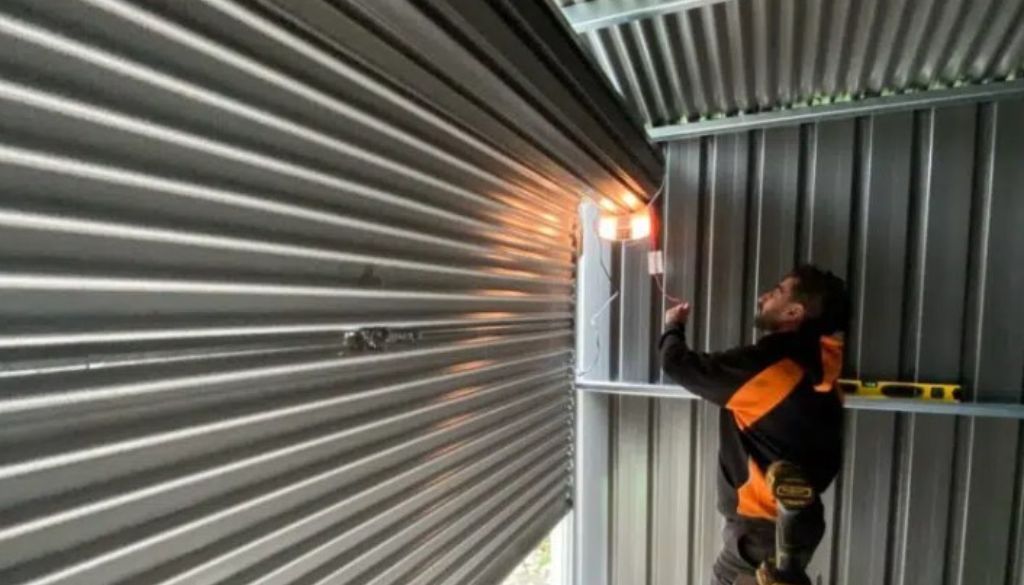
A garage door is one of those systems people quit observing when it works well. It opens at night, encloses the rainfall, seals out wind, and safeguards whatever from vehicles to devices to stored supply. Then the weather condition changes, something moans or sticks, and the door unexpectedly comes to be one of the most crucial relocating part on the property.
Seasonal changes placed actual stress on garage door systems. Metal expands and agreements. Lubes enlarge or dry out. Wetness finds its means right into rollers, tracks, panels, and electronic devices. Weather seals set, break, or swell. Springs bring a heavy load year-round, however the demands on them alter with temperature level and use patterns. That is why garage door repair requires have a tendency to rise at the very same times annually, particularly after the very first cold wave, the first stretch of damp heat, or a period of storms.
Anyone who has actually worked around overhead doors for long enough has actually seen the pattern. A door that ran silently in late summer season begins jerking in November. A garage door opener that appeared penalty in springtime starts straining in August due to the fact that the door equilibrium altered and the opener is compensating. A bottom seal that shut out fallen leaves and water in one season becomes breakable in one more, transforming a completely dry garage floor into a moist one. These are not random failings. Many are predictable if you comprehend how environment affects the hardware.
Why weather matters more than most owners think
Garage doors are huge, heavy, and mechanically basic in some ways, yet they are not flexible. A typical property door can weigh anywhere from around 130 pounds to over 300 extra pounds, depending on size, building, and insulation. Industrial doors can consider far more and cycle far more commonly. The springtimes do most of the lifting, the opener guides the movement, and the tracks, rollers, hinges, cords, and seals all have to remain lined up and responsive.
Seasonal weather adjustments modify that equilibrium. Cold temperature levels can make steel components contract and tense lubricants, raising rubbing. Heat can soften particular materials, influence door panel positioning, and place more demand on the opener if the door swells or drags. Rainfall and humidity invite corrosion, rot, and rust. Hurricanes reveal weaknesses in bracing and securing. Freeze-thaw cycles are specifically rough due to the fact that wetness gets into small spaces, broadens when frozen, and progressively gets worse wear.
This holds true whether the residential property requires residential garage door repair or commercial garage door repair. The range adjustments, however the auto mechanics do not. The weather condition does not care whether the door secures a family members sedan or a loading dock.
Winter brings one of the most apparent failures
Cold weather is when numerous garage doors expose troubles that have actually been building silently for months. Homeowners commonly call after the first tough freeze, claiming the door was "great yesterday." What generally took place is not a sudden failing from no place. A worn roller, a weak spring, a completely dry hinge, or an aging weather condition seal finally went across the line when temperatures dropped.
One usual winter season problem is thickened lube. If the wrong product was utilized, specifically a grease that tenses in reduced temperature levels, the rollers and hinges can become slow-moving. The opener needs to work more challenging to relocate the door, which extra initiative turns up as grinding noises, reluctance, or turnaround before the door completely closes. In separated garages this comes to be much more visible because the room is cooler and less insulated.
Springs additionally act differently in winter season. Torsion and extension springs are engineered for duplicated cycles, however chilly temperature levels can make maturing steel much less flexible. If a spring was already near completion of its life, wintertime is often when it snaps. Garage door spring substitute is one of the most typical cold-season service requires that factor. Oftentimes, the owner records hearing a loud bang from the garage and later on finds the door will not raise more than a few inches. That bang is often the springtime damaging under tension.
Weather seals are entitled to even more interest than they generally obtain. The lower seal can adhere the concrete if water has pooled under the door overnight. When the opener attempts to lift the door, it might stress, turn around, or tear the seal. Side and leading seals can likewise set and lose versatility, letting in drafts, snow dirt, and dampness. Once that happens, the garage becomes cooler, and the door system suffers much more due to the fact that the hardware remains at a lower temperature level for longer periods.
There is also the battery factor. Numerous modern garage door opener systems make use of backup batteries, cordless keypads, remotes, and security sensing units that can be conscious chilly. Batteries shed efficiency in low temperature levels. Sensor lenses mist up. Circuitry that was barely safe and secure in fall becomes an issue in winter season when contraction influences terminals and connections.
Spring reveals the damage winter season left behind
When temperatures rise, lots of proprietors presume the worst mores than. In method, springtime is often when hidden winter months damages becomes noticeable. A little rust that began throughout snowy months now spreads out. A track that changed somewhat as a result of freeze-thaw motion in the framework begins showing positioning problems. Water intrusion during winter can leave timber trim inflamed or steel bolts corroded.
Spring is a smart time for evaluation due to the fact that the weather is modest and the system is less complicated to examine under typical operating problems. This is usually when service technicians discover torn cables that made it through winter but ought to not be relied on for another period, rollers with level spots, hinges beginning to break, and openers that have shed their pressure and traveling settings because the door's activity changed.
For homes with affixed garages, springtime is also when proprietors notice energy loss. A garage door that did not secure effectively all wintertime may have let chilly air reach nearby spaces, driving up heating prices. If the door is older or uninsulated, spring can become the decision point between one more round of fixings and a complete garage door installment. That option depends upon the problem of the garage door maintenance plans door, the state of the equipment, and whether the proprietor is attempting to improve comfort, efficiency, curb appeal, or all three.
Commercial buildings commonly feel the impact in spring with downtime. A warehouse or service center might not see gradual wear during an active season, then discover in springtime that duplicated winter months strain has actually reduced the life of springtimes, rollers, and opener parts. Business systems usually cycle far more than residential ones, so little effectiveness losses accumulate quickly.
Summer warmth develops a different kind of strain
Hot weather condition does not typically trigger the dramatic failures individuals associate with winter season, however it produces its own fixing pattern. Materials broaden. Doors can bind in tracks if positioning is currently marginal. Timber doors may swell. Dark-colored doors, specifically on west-facing garages, take in a surprising quantity of heat, and that can influence panel security over time.
Garage door opener trouble prevails in summer season, specifically in garages that get really warm. Motors and circuit boards operate within a temperature level range, and severe heat can reduce element life or cause recurring procedure. An opener that is currently straining since the door is out of balance may begin to overheat and close down temporarily. Proprietors usually believe the opener itself is malfunctioning, yet the real problem might be that the door has become larger to lift as a result of used springs or raised friction.
Humidity includes an additional layer. In steamy climates, steel parts can start corroding rapidly if upkeep has been disregarded. Rollers with unsealed bearings might become noisy. Tracks collect grime blended with wetness. Base seals catch dampness versus concrete, and wood mounting around the opening can begin to degrade. It is a quieter type of damages than a busted springtime, but over time it brings about the same result: more constant garage door repair calls and extra pricey components replacement.
Summer likewise often tends to increase usage. School breaks, backyard jobs, travel, and home improvement job mean extra open-close cycles. More cycles increase wear. A springtime ranked for a standard cycle life does not care whether those cycles occur over ten years or six. In hectic households, summer season can press aging components past their limit.
Fall is the period that awards preventive work
If there is one period when garage door solution repays most clearly, it is fall. The temperatures are typically modest, specialists can examine and change the system under stable problems, and proprietors have an opportunity to handle weak points prior to wintertime turns them right into emergencies.
Fall is a suitable time to evaluate balance. With the opener disconnected, an appropriately balanced door ought to raise efficiently and hug mid-height without wandering sharply up or down. If it goes down, the springtimes might be shedding tension. If it climbs, they may be over-tensioned or mismatched. Either problem puts unneeded anxiety on the opener and modifications how the door reacts in chillier weather.
It is likewise the right time to look at the little points that often end up being big things later on: fractured border seals, loose hinge fasteners, fraying lift cords, corrosion starting at the bottom panel, and rollers that no more turn easily. A moderate solution check out in loss can avoid a no-access garage on a cold morning.
For organizations, fall upkeep has even more value. Business garage door repair throughout optimal winter season demand can indicate delays, while scheduled solution in autumn is easier to plan about. Filling docks, fleet garages, and service bays operate much better when doors are changed prior to cold weather lowers adaptability in seals and raises strain on the operator.
The components most affected by seasonal change
Not every component replies to weather in the same way. Some fail suddenly, while others break down progressively until efficiency slips.
Springs are still the most consequential wear part. They carry the weight of the door, and when they damage, whatever else functions harder. Seasonal temperature level modifications do not produce wear by themselves, but they expose it. A spring near completion of its life is far more most likely to fail during a climate swing than a newer spring in excellent problem. That is why garage door spring substitute ought to never ever be postponed once equilibrium modifications end up being obvious.
Cables and rollers are close behind. Cables dislike rust, and rollers hate dirt, poor lubrication, and imbalance. In moist or coastal areas, even well-crafted hardware needs routine interest. In cooler inland climates, completely dry problems can be simpler on corrosion however harder on lubricating substances and seals.
Panels and weatherstripping issue more than many people realize. A bent panel can shake off the door's path. A broken bottom seal can allow water under the door, which after that freezes or feeds rust. On insulated doors, failed seals lower the value of the insulation due to the fact that the air obstacle is compromised.
Openers frequently get condemned for problems that begin in other places. The opener is the noticeable maker, so proprietors normally focus on it. Yet an opener that strains, turns around, or rattles might be reacting to a door that is hefty, dragging, or out of positioning. In some cases a brand-new garage door opener is the best answer, especially if the device is old, underpowered, or lacking modern-day safety attributes. Equally as typically, the smarter repair work is dealing with the mechanical lots the opener has been fighting.
Signs that seasonal wear is turning into an actual repair issue
A few symptoms almost always be worthy of interest, particularly when they appear after a shift in climate:
The door moves unevenly, is reluctant, or jerks throughout travel. New noises appear, such as popping, grinding, squealing, or a sharp bang. The opener stress, turns around unexpectedly, or stops working to close fully. Gaps show up along the floor or sides, allowing water, light, or drafts. The door really feels unusually hefty when operated manually.These warning signs often get here in clusters. A heavy-feeling door plus opener strain normally points toward spring or balance trouble. Water intrusion plus sticking near the bottom commonly suggests seal damages and bad drain. Grinding plus irregular motion can mean roller or track issues. The precise diagnosis relies on the door kind and equipment, yet the pattern is typically clear to an experienced technician.
Residential and industrial needs are not the same
Seasonal repair work patterns overlap, yet the reaction must be various relying on the building.
In household garage door repair, the top priorities are normally integrity, safety, and comfort. A household may need the garage as the major entrance to your home. If the door is stuck closed, no person can obtain the car out. If it is stuck open, the home is exposed. Safety issues particularly when children are around, since worn sensing units, harmed springs, and improvisated repair work produce noticeable risks.
Commercial garage door repair has a tendency to involve greater cycle counts, larger openings, larger doors, and tighter functional effects. A filling bay door that opens up gradually in summer season or sticks in winter season is not just an annoyance. It can postpone shipments, interfere with staffing, influence inner temperature control, and boost energy prices. Business drivers also often tend to see weather-related seal failing faster, due to the fact that drafts and moisture affect stock and job conditions.
Garage door setup decisions vary as well. For a property owner, changing an aging door may be about insulation, look, and trustworthy daily usage. For a business residential or commercial property manager, the calculation often fixates cycle life, downtime decrease, wind load performance, and utility. Seasonal stress and anxiety highlights weak points in both settings, yet the cost of waiting is often higher in business environments.
When repair work suffices, and when replacement makes more sense
Not every weather-related problem requires a new door. In most cases, targeted repair services restore trusted operation at a reasonable expense. Replacing springtimes, rollers, wires, seals, or an aging garage door opener can add years of life if the panels and track system stay in good condition.
Replacement starts to make more sense when several systems are failing at the same time. An old door with rusted lower sections, inadequate insulation, noisy used equipment, and a struggling opener may cost even more to maintain patching than to replace. If the door has taken storm damages, has panel warping, or no more fits the opening directly, garage door installment can be the much more practical long-lasting choice.
There is additionally the effectiveness angle. In climates with hot summertimes or cold wintertimes, protected modern doors and much better border securing can boost garage temperatures noticeably. If the garage is affixed, that can affect neighboring rooms also. The financial savings are hardly ever remarkable enough to warrant substitute on power alone, yet when a door is already nearing the end of its useful life, far better thermal efficiency comes to be a meaningful bonus.
Seasonal upkeep that prevents emergency calls
The ideal repair strategy is still prevention. A lot of emergency failings have a long lead-up, and a little scheduled interest goes a lengthy way.
A simple seasonal service routine normally consists of the following:
Inspect springtimes, cords, rollers, joints, and tracks for wear or corrosion. Lubricate moving steel get rid of items matched to garage door hardware and climate. Test door equilibrium and opener security turnaround functions. Check and change climate seals where light, water, or drafts are obtaining through. Tighten accessible bolts and verify track placement and mounting stability.What issues is uniformity. A home owner that checks the door twice a year and reacts very early to modifications will normally avoid the most awful failures. A service that schedules upkeep based on cycle matter and period will certainly lower downtime and prolong hardware life.
One caution that is worthy of focus: springtime and wire repairs are not routine do-it-yourself jobs. The kept stress in these systems is considerable, and errors can trigger serious injury. Aesthetic examination and basic upkeep are reasonable for lots of proprietors. Anything entailing spring change, cable replacement, or major positioning ought to be managed by qualified professionals.
Climate and location alter the repair calendar
The neighborhood climate shapes which fixings show up initially. In snowy northern regions, cold seals, breakable weatherstripping, and spring failings control winter service calls. In hot southerly environments, opener anxiety, panel development, and humidity-related rust turn up more frequently. Coastal areas manage salt air, which accelerates deterioration on metal parts. Dry inland climates can be easier on corrosion but more difficult on rubber and plastic parts that crack over time.
This is why common maintenance advice just goes so far. The best lube in Minnesota may not be the most effective selection in Florida. The door that does fine in an inland residential area might require upgraded equipment near the coast. Also within one city, a subjected wind-prone building will age in different ways from a protected property.
Experienced technicians generally represent this without making a production out of it. They recognize which springtimes often tend to fail first in that market, which opener versions struggle in unconditioned garages, and which door products stand up ideal on sun-facing elevations. That kind of area judgment matters due to the fact that seasonal wear is never ever purely academic. It is local.
A garage door is a seasonal system whether you plan for it or not
Garage doors do not run in regulated research laboratory conditions. They stay in weather, take in wetness, face temperature swings, and cycle under lots day after day. The periods are not a backdrop. They are an energetic component of how these systems age.
The functional takeaway is easy. If a door begins sounding different, moving differently, or securing inadequately when the climate modifications, take note early. Prompt garage door repair is generally cheaper and more secure than waiting on a full failing. If the very same issues keep returning, it might be time to think past patchwork and consider an extra resilient repair service technique, a new garage door opener, or full garage door installation.
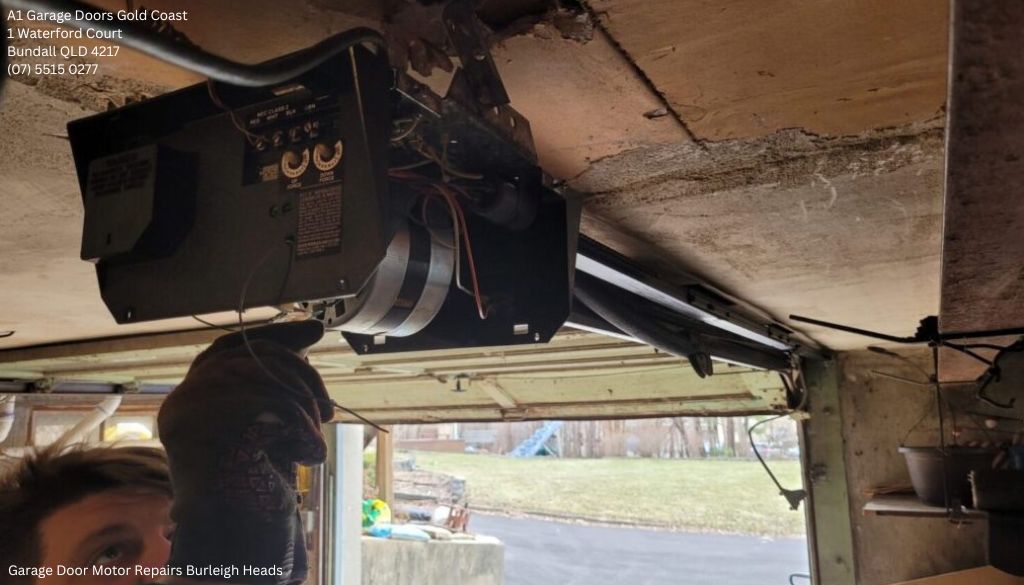
Owners who treat the garage door as part of the building envelope and not just a relocating wall surface often tend to get better results. They take care of spring fatigue prior to it becomes a malfunction. They replace used seals before water enters. They service openers prior to warmth or chilly turns a minor tons concern right into a dead motor. And they recognize that domestic garage door repair and commercial garage door repair are not reactive duties yet part of maintaining access, safety and security, and building worth through every season of the year.