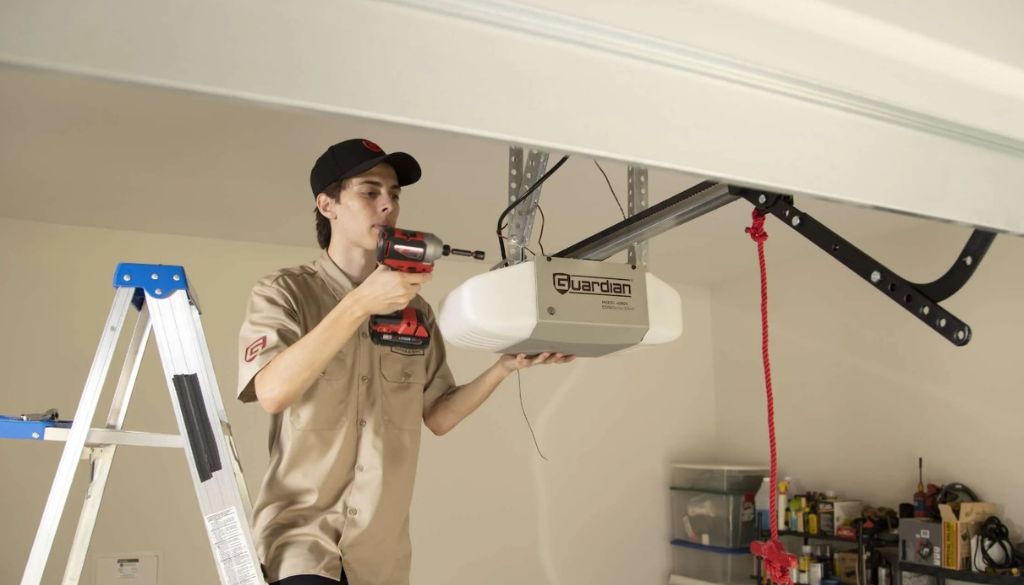
Introduction to Garage Door Opener Installation
Garage door openers enable effortless access to your garage, enhancing your home's security and ease of use. A well-installed automatic garage door system reduces physical effort, improves safety with integrated sensors, and can integrate with smart home technology.
Installation involves mounting the opener motor unit, connecting remote controls and wall switches, setting up safety sensors, and ensuring proper door alignment. The benefits of an electric garage door include increased property value, noise reduction compared to manual operation, and enhanced operational reliability.
By familiarising yourself with the installation overview and benefits, you can determine whether a DIY project suits your skills or if a professional service is needed.
Essential Components of a Garage Door Opener System
A typical garage door opener system comprises several key components that work harmoniously to automate the door’s movement while keeping safety paramount.
- Garage door motor: The powerhouse that drives the door open and closed. Remote control and wall switch: Devices used to operate the opener conveniently. Safety sensors (photo eyes): Infrared sensors detect obstructions to prevent accidents. Opener rail and trolley system: Guide rails with a trolley that pulls the door along its track. Emergency release mechanism: Enables manual operation during power outages or malfunctions.
Types of Drive Systems
The choice of drive system affects noise level, maintenance, and performance:
- Belt drive: Uses a rubber belt for quieter and smoother operation, ideal for homes where noise reduction is important. Chain drive: Employs a metal chain providing robust performance at a lower cost but tends to be noisier. Screw drive: Operates with a threaded steel rod, requiring less maintenance but can be noisier than belt drives.
Safety and Security Features
Modern garage door openers incorporate advanced safety features to protect users and secure your home:
- Rolling code technology: Changes the access code after every use to prevent hacking. Photo eyes and infrared sensors: Positioned across the door opening to detect obstacles or motion. Wireless keypad and keypad entry: Allow keyless access with secure PIN codes. Security transmitter and receiver units: Ensure encrypted and reliable communication between controls and the motor unit.
Preparing for Installation
Proper preparation is essential for smooth garage door opener installation. This includes gathering all necessary tools and parts, as well as ensuring your garage door is safe and ready for automation.
Our Sponsor
A1 Garage Doors Gold Coast
A1 Garage Doors Gold Coast is a Bundall-based garage door specialist serving the southern Gold Coast and surrounding suburbs with installation, repair, maintenance, and emergency garage door services. The company specializes in sectional doors, roller doors, garage door openers, spring and cable replacement, opener motor repair, smart-enabled installations, and 24/7 emergency call-outs across Robina, Burleigh Heads, Surfers Paradise, Nerang, Coomera, and the wider Gold Coast region.
Address:
1 Waterford Court,
Bundall,
QLD
4217,
Australia
Phone: (07) 5515 0277
Business Hours:
- Open 24/7 — Including After-Hours and Emergency Call-Outs
Follow Us:
- Installation kit: Usually contains mounting hardware, brackets, rails, trolley, and fasteners tailored to your opener model. Door bracket and mounting hardware: Secure attachment points for the opener and trolley system. Door springs: Torsion springs or extension springs balance the door’s weight; check these are in good condition before installing. Door alignment and reinforcement: Verify the door moves smoothly on its tracks without gaps or binding to prevent strain on the opener. Lubricant spray: Recommended for hinges, rollers, and springs to reduce friction and noise post-installation.
Step-by-Step Garage Door Opener Installation Guide
Follow these detailed steps to install your garage door opener while ensuring safety and functionality.
Ceiling mount the motor unit: Locate a sturdy joist or beam above the door and secure the motor bracket using provided hardware. Install the opener rail and trolley system: Attach the rail to the motor and connect the trolley that will pull the door. Attach the door bracket: Connect the trolley arm to the garage door’s top section using the door bracket. Set up the emergency release rope and handle: Allows manual operation by disengaging the trolley from the motor in emergencies. Connect the wall switch: Mount the wall control near the door entrance inside the garage, wiring it to the motor unit according to instructions. Adjust force settings and limit switches: Configure opening and closing limits to prevent door overrun and set optimal force to safely move the door. Noise reduction measures: Tighten all hardware and apply lubricant spray to moving parts to minimise operating sounds. Enable timer-to-close function (if available): Automate the door to close after a set period for added security.Programming and Testing the Remote Controls and Wall Switches
Remote programming ensures secure and convenient operation:
- Follow the manufacturer’s instructions to sync remotes (transmitters) with the receiver unit in the motor. Utilise rolling code technology to enhance security by changing codes after each use. Test each remote button and wall switch to ensure consistent response and range.
Connecting Safety Sensors and Testing Safety Beams
Proper connection and testing of photo eyes and infrared safety beams prevent accidents:
- Mount sensors on either side of the door frame about 15cm above floor level. Wire sensors to the opener motor unit according to the setup guide. Test sensors by interrupting the beam during door closing; the door should reverse automatically.
Troubleshooting Common Installation Issues
During or after installation, you may encounter problems that can be fixed same-day service garage door services with some troubleshooting:
- Power outage: Most openers stop working; consider installing a battery backup for continuous operation. Door alignment: Misaligned doors cause binding or noisy operation; adjust tracks or hinges as needed. Noise issues: Tighten loose hardware, lubricate moving parts, and verify the drive type for suitability. Manual override problems: Ensure emergency release mechanisms are functioning and easily accessible.
Smart Garage Door Openers and Modern Features
Smart technology integration takes garage door openers to the next level of convenience and security:
- Wi-Fi connectivity: Control and monitor your garage door remotely via smartphone apps. Motion detectors: Activate lighting kits or alerts when movement is detected near the door. Timer-to-close and automatic closer: Automates door closure after a preset time, reducing risks of leaving the door open. Backup battery systems: Keep your garage door functional during power failures. Integration with smart home assistants: Enable voice commands and automation through platforms like Alexa or Google Assistant.
DIY Installation vs Professional Service
Deciding whether to undertake DIY installation or hire a professional depends on your experience, tools, and risk tolerance:
- DIY installation: Suitable for homeowners with moderate handyman skills, saving on installation costs but requiring time and careful adherence to safety standards. Professional service: Guarantees expert handling, faster completion, warranty protection, and compliance with safety regulations, typically at a higher upfront cost. Improper installation risks include malfunction, voided warranties, and safety hazards. Evaluate complexity of your garage door, opener model, and your comfort level before deciding.
Maintenance Tips Post Installation
Regular maintenance ensures your garage door opener remains reliable and safe throughout its lifespan:
- Use lubricant spray on door springs, hinges, rollers, and tracks every six months to reduce wear and noise. Check safety sensors monthly for dirt or misalignment and clear any obstructions. Test emergency release and manual override annually to ensure smooth operation. Inspect door balance and alignment; unbalanced doors strain the motor and reduce opener lifespan. Replace batteries in remote controls and backup units as recommended by the manufacturer.
Frequently Asked Questions About Garage Door Opener Installation
- What tools do I need to install a garage door opener myself? Basic tools include a drill, screwdrivers, adjustable wrench, pliers, ladder, tape measure, level, and possibly a socket set. How long does it take to install a garage door opener? On average, installation takes 3–5 hours depending on skill level and complexity of the garage door. Can I install a garage door opener on any type of garage door? Most openers are compatible with steel, aluminium, wood, and composite doors, but confirm compatibility with your door’s springs and weight capacity. What safety features should my garage door opener have? Essential features include safety sensors (photo eyes), rolling code remote technology, emergency release, and auto-reverse functions. How do I program my garage door remote controls? Follow the manufacturer’s steps to link transmitter remotes with your opener’s receiver unit, usually involving pressing a ‘learn’ button and activating the remote. Is professional installation necessary for all garage door openers? While DIY is feasible for many models, complex doors or advanced features often require professional expertise. How do I troubleshoot if my garage door opener won’t close properly? Check sensor alignment, force settings, power supply, and obstruction in the door path. How often should I maintain or service my garage door opener? Conduct basic maintenance twice a year and schedule a professional inspection every 1–2 years. What do I do during a power outage? Can I still open my garage door? Use the emergency manual release or rely on battery backup systems if installed. Are smart garage door openers worth the investment? Yes, for enhanced convenience, remote monitoring, and integration with smart home systems, offering peace of mind and improved security.
Garage door opener installation is a rewarding upgrade that maximises convenience, security, and home value. Understanding the components, preparing adequately, following detailed step-by-step instructions, and integrating modern smart features ensures a seamless experience. Regular maintenance and awareness of troubleshooting techniques keep your system running efficiently. Whether you opt for DIY installation or professional service, taking the right approach will provide years of reliable and safe operation. Ready to enhance your garage with an automatic opener? Start planning your installation today or consult a trusted professional for expert support!