Our Sponsor
A1 Garage Doors Gold Coast
A1 Garage Doors Gold Coast is a Bundall-based garage door specialist serving the southern Gold Coast and surrounding suburbs with installation, repair, maintenance, and emergency garage door services. The company specializes in sectional doors, roller doors, garage door openers, spring and cable replacement, opener motor repair, smart-enabled installations, and 24/7 emergency call-outs across Robina, Burleigh Heads, Surfers Paradise, Nerang, Coomera, and the wider Gold Coast region.
Address:
1 Waterford Court,
Bundall,
QLD
4217,
Australia
Phone: (07) 5515 0277
Business Hours:
- Open 24/7 — Including After-Hours and Emergency Call-Outs
Follow Us:
Introduction to Garage Door Opener Installation Safety
Safety protocols are the foundation of any successful garage door opener installation project. Before starting, conduct a thorough hazard assessment to evaluate potential risks such as electrical shocks, mechanical failures, and pinch points. Taking time for a safety audit ensures you recognise and mitigate dangers that could cause injury or damage. Additionally, child safety considerations should be factored in since garage doors pose significant risks if safety features extension spring repair are not correctly installed. Understanding these basic principles sets the stage for a smooth, secure installation process that complies with Australian safety standards.
Essential Protective Gear for Installation
Using proper protective gear protects you from common hazards encountered during the installation of a garage door opener. Essential items include:
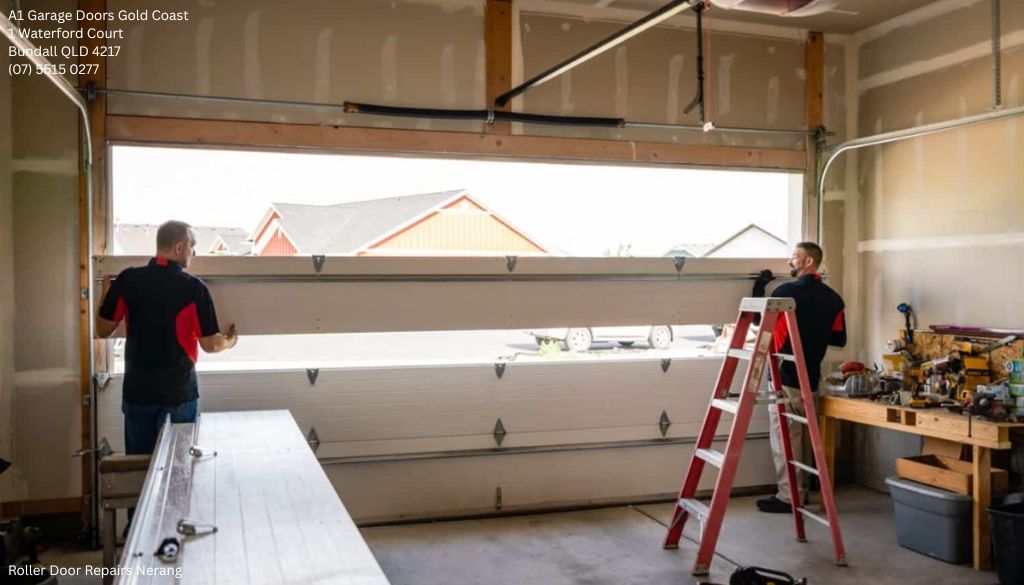
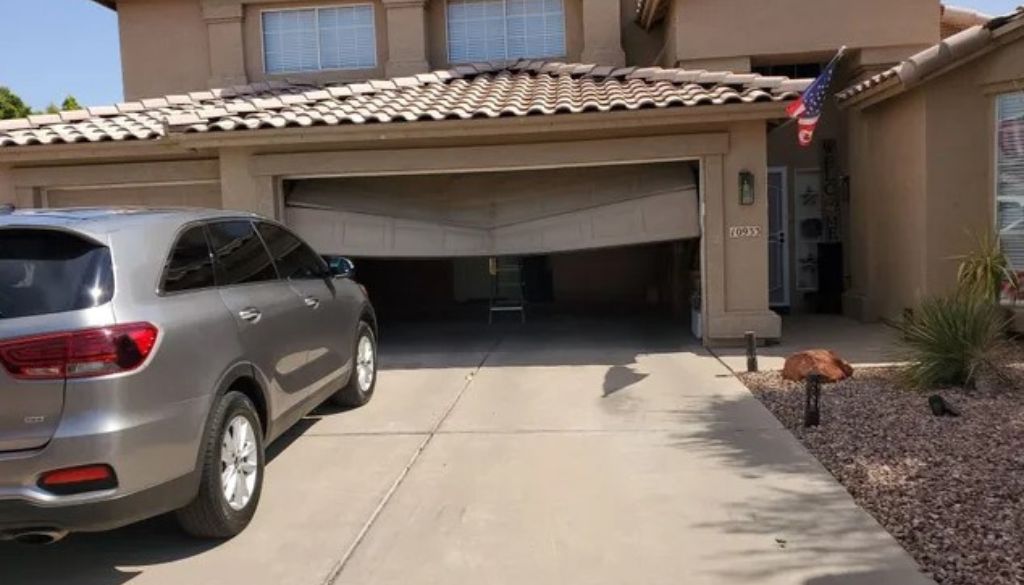
- Safety gloves to guard against cuts and bruises from sharp mechanical parts and tools. Safety goggles to protect your eyes from dust, debris, and sparks during drilling or wiring. Electrical insulation gloves when handling wiring connections to reduce the risk of electric shocks. Rubber seals on tools or surfaces to prevent accidental slips or pinches.
Wearing adequate protective gear is non-negotiable, especially when dealing with electrical components and heavy mechanical parts involved in opener installation.
Pre-Installation Safety Checks
Before you begin assembling your garage door opener, carry out a detailed inspection of the installation site. Key points to check include:
- Clearance space: Ensure there is enough room around the door and ceiling for mounting brackets and hardware without obstruction. Load capacity: Verify that the garage door and springs are rated to handle the opener’s force and weight. Mechanical parts check: Inspect rollers, hinges, springs, and panels for damage or wear and replace if necessary. Safety audit: Identify any tripping hazards, loose wiring, or other unsafe conditions in the workspace.
Completing these pre-installation safety checks prevents costly mistakes and enhances operational safety once the opener is installed.
Tools and Equipment Needed for Safe Installation
Having the right tools and equipment ensures your installation goes smoothly and safely. Essential items include:
- A complete hardware kit containing mounting brackets, installation screws, and bolts designed for the specific opener model. A torque wrench to tighten bolts and screws according to manufacturer torque settings, preventing over-tightening or loosening. Appropriate installation tools such as screwdrivers, drills with insulated handles, pliers, and wire strippers. Grounding wire and electrical connectors to ensure safe, code-compliant wiring.
Using quality tools not only saves time but significantly reduces the risk of injury or installation errors.
Step-by-Step Safety Procedures During Installation
Follow these essential safety procedures meticulously throughout your garage door opener installation:
- Power isolation: Before connecting any wiring, switch off the circuit breaker controlling your garage to avoid electric shock. Wiring connections: Use proper electrical insulation and follow wiring diagrams exactly. Secure grounding wires carefully. Mounting: Firmly attach mounting brackets and hardware to support the opener’s weight according to manufacturer instructions. Safety switch and emergency stop: Test the manual release mechanism and emergency stop functions to guarantee operational safety in an emergency. Battery backup: If your opener includes a battery backup, install and test it to maintain functionality during power outages.
Aligning Safety Sensors and Safety Beams Correctly
Proper sensor alignment is critical to activate the auto-reverse feature and avoid accidents:
- Place safety sensors on either side of the garage door, no higher than 6 inches above the ground. Ensure sensors have unobstructed views of each other with no dirt, spider webs, or debris interfering with signal transmission. Calibrate sensors so that the safety beams activate the door’s auto-reverse mechanism when motion or objects block the path. Regularly test sensor responsiveness to confirm reliable operation during door movement.
Ensuring Proper Door Balance and Spring Tension
Incorrect door balance or spring tension can cause serious safety issues:
- Manually lift the door halfway; it should stay in place without sliding up or down, indicating proper balance. Adjust spring tension carefully to counterbalance the door’s weight without overstressing mechanical parts. Check all mechanical parts such as hinges and rollers for smooth operation and replace worn components immediately. Improperly balanced doors can cause strain on the opener and increase accident risk during use.
Testing and Final Safety Checks
Once installation is complete, conduct comprehensive tests to validate safety and functionality:
- Perform several opening and closing cycles to verify smooth operation and proper response to remote control commands. Test the auto-reverse feature by placing an object in the door’s path to ensure it reverses immediately upon contact. Check that all warning labels and caution signage are visible and intact. Listen for unusual noises and resolve issues related to friction or misalignment to reduce noise levels and wear. Review the user manual and operation instructions to familiarise yourself with emergency stop procedures and safe usage.
Post-Installation Maintenance and Safety Protocols
Maintaining your garage door opener is crucial for ongoing safety and reliability. Follow this maintenance checklist:
- Perform periodic inspections of wiring connections, sensor alignment, springs, and mechanical components. Lubricate moving parts as recommended by the manufacturer to reduce wear and noise. Train all users on safe operation practices and emergency manual release functions. Retain all safety certifications and user manuals for reference and compliance with Australian safety standards. Schedule professional maintenance checks periodically if unsure about the condition of springs or electrical systems.
When to Seek Professional Installation Assistance
While DIY installation is possible, some situations warrant professional involvement to guarantee safety and compliance:
- If electrical wiring involves complex circuits or if you lack expertise with power source isolation. When adjusting high-tension springs or balancing heavy garage doors, which can be dangerous without proper tools and training. If your garage door opener requires integration with advanced security systems such as wireless keypad or remote keypad security features. Seeking certified installers ensures adherence to local safety standards and provides liability waiver protections. Professional installation often comes with guarantees covering workmanship and safety certification for peace of mind.