Few parts of a home obtain taken for given like the garage door. It moves a number of hundred pounds backwards and forwards, typically multiple times a day, through warm, chilly, dust, and wetness. Then one early morning it shudders, stalls midway, or makes a sound that turns heads from inside the kitchen. That is normally when false information shows up.
Homeowners hear guidance from neighbors, see a fast video, or think a noisy door is simply component of possessing a residence. Some myths seem harmless. Others lead directly to costly damage, harmful fixings, and solution calls that might have been smaller and cheaper if managed sooner.
I have seen garage doors limp along for months since somebody thought a spring can last permanently, or that a louder opener simply needed even more force. I have actually also seen brand-new systems messed up by inadequate presumptions after a rushed garage door setup. The reality is less significant than the myths, but far more valuable. A garage door is a system. When one part begins to fail, the pressure travels.
The biggest myth, all garage door problems are simple do it yourself jobs
This one triggers even more difficulty than almost any type of other. There are a couple of upkeep jobs most property owners can do safely, like cleaning the tracks, inspecting weather condition seals, or testing the auto-reverse function. That does not suggest all garage door repair is a weekend break project.
The hazardous misunderstanding generally starts with springs. Torsion and expansion springs save a significant amount of energy. When a springtime breaks, the door can come to be all of a sudden heavy, uneven, or impossible to lift. Garage door spring replacement is not equivalent to changing a door joint or installing a rack brace. It calls for the right devices, the ideal bars, a clear procedure, and an understanding of springtime sizing and door equilibrium. Obtain it wrong, and the result can be serious injury or a broken door that currently requires greater than a spring.
Even experienced property owners have a tendency to undervalue what else is involved. The spring is not a stand-alone part. The wires, drums, shaft, bearings, and opener setups all relate to that spring's stress. I have seen individuals change one busted springtime with a component that looked close enough, just to locate the door shooting up as well quick, slamming down, or drawing unevenly. What felt like conserving a service fee developed into a curved top area, frayed cables, and a motor stressing to compensate.
That does not imply every solution telephone call requires a professional. It suggests judgment matters. A good rule is simple: if the repair involves spring stress, cable television transmitting, door equilibrium, or opener force adjustments beyond standard setups, care needs to bypass confidence.
A loud door does not constantly need a brand-new opener
Many homeowners presume the garage door opener is the resource of every groan, screech, and rattle. Occasionally it is. Usually it is not.
The opener obtains condemned due to the fact that it is the visible machine with a motor and a light, and when the door begins appearing harsh, individuals normally concentrate there first. In practice, sound typically comes from worn rollers, loose hinges, dry bearings, track resonance, or an unbalanced door requiring the opener to work tougher than it should. Replacing the garage door opener without addressing those underlying concerns commonly transforms really little.
An usual instance is steel rollers that have actually merely reached the end of their beneficial life. They begin with a mild chatter. In time that babble ends up being a harsh metal rattle, specifically when the door goes across the contour in the track. Home owners hear the noise in the ceiling and think the electric motor is falling short. Set up a quieter opener and the sound may soften, yet the rough traveling stays since the rollers were the actual culprit.
There is one more side to this misconception. In some cases the opener is the trouble, however not due to the fact that it is old. It might be undersized for the weight of the door, poorly mounted, or paired with a door that was never ever well balanced properly after garage door installation. In those cases, changing the opener can make sense, yet just after the whole system is inspected.
A healthy and balanced door ought to relocate smoothly and feel sensibly balanced by hand when disconnected from the opener. If it drops quickly, feels abnormally hefty, or binds in one area, the equipment is not the starting point.
If the door still opens up, the trouble can wait
This belief fills solution schedules with avoidable repair work. A garage door can maintain operating long after it has actually started to fall short. As a matter of fact, that is one reason small problems get pricey. The door maintains working just sufficient to convince individuals nothing immediate is happening.
A tore cable could still lift today. A split joint could hold for another month. Rollers with used stems may make it through dozens of cycles before one slides terribly and sends the door out of positioning. The system is forgiving, until it suddenly is not.
One property owner I talked to disregarded a jerking motion near the floor due to the fact that the door constantly made it up eventually. What had actually started as a worn base roller and a somewhat loosened bracket developed into a jagged door that pulled a cable television off the drum. Then, the repair was no more a modest tune-up. It entailed cable television reset, roller substitute, bracket work, and additional labor to realign the door safely.
That pattern prevails in household garage door repair. The early symptoms look small, however the mechanical tons are not minor. A garage door cycles under stress each time it moves. Hold-up allows wear to spread from one component to the next.
Commercial garage door repair makes this much more obvious. In a service setting, a door may cycle 10, twenty, or fifty times a day. When rollers, springs, or tracks start to fall short, the rate of deterioration is much faster. A storage facility or solution bay can lose access, security, and efficiency over something that initially appeared to be a tiny squeak or sluggish travel.
More lubricating substance is not the answer to everything
This misconception originates from a place of good objective. People hear a noise and reach for a spray can. Often that assists. Equally as usually, it develops a sticky mess that traps dirt, fumble moving components, or masks an issue that needed appropriate repair.
Garage doors need the best lube in the appropriate areas, in moderate quantities. Rollers, hinges, and springtimes might gain from manufacturer-appropriate lubrication. Tracks usually do not need to be covered. In fact, an oily track can attract dirt and produce drag. If the door is binding because the track is bent or misaligned, no amount of lubricant will fix it.
I have seen openers leaking with house oil due to the fact that the owner thought every relocating part needs to shine. That can cause deposit on sensing units, grime buildup on the rail, and a false sense that maintenance has been done. Lubrication is not repair. It is one component of maintenance.
If a door instantly comes to be loud after years of regular usage, lubrication might give momentary relief, however abrupt changes in sound typically deserve closer attention. Mechanical systems frequently inform you what is wrong through noise prior to they stop working in a more evident way.
A curved panel is only a cosmetic issue
This is very easy to believe, especially when the door still shuts and the damages looks constrained to one area. The problem is that door panels are structural parts. Their shape influences just how the door takes a trip in the tracks, how lots transfers across joints, and just how the opener pulls from the leading section.
A damage from a lorry bumper might be cosmetic if it is superficial and isolated. A panel that is wrinkled, folded up, or distorted near a hinge line is different. fix garage door opener It can shake off positioning, stress nearby sections, and jeopardize the door during opening and closing. The top panel is worthy of specific care since opener force is used there.
Insulated steel doors can be especially misleading. From a distance, the damage may look small. Under load, though, the panel might bend in ways it was never made to. With time, that weak point can spread.
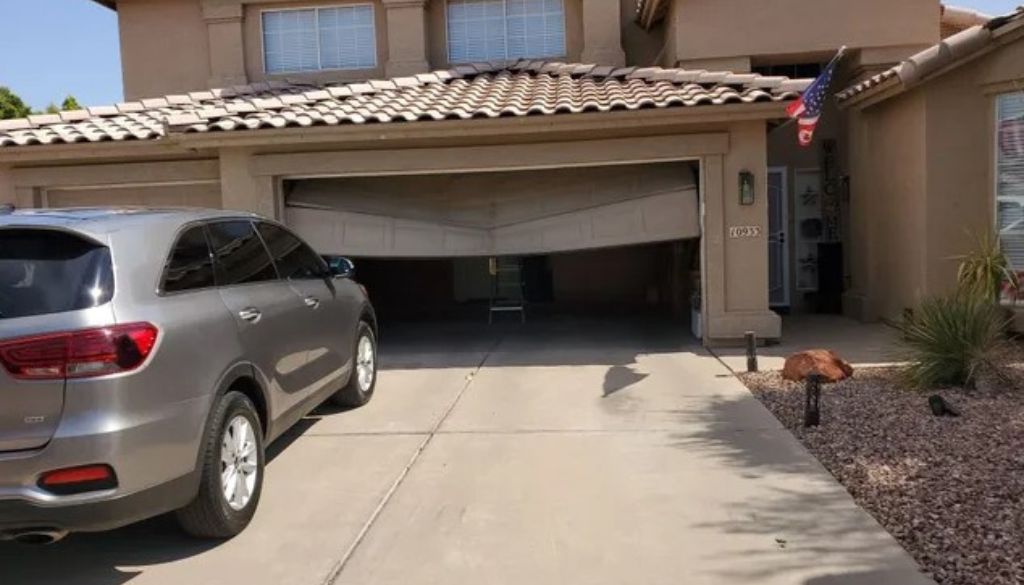
Sometimes a single panel replacement is useful. Sometimes it is not, specifically if the model is stopped, the color does not match, or the rest of the door is currently near completion of its service life. In those cases, a complete garage door installation may make much better economic sense than patching an aging system panel by panel.
Garage door springs should be replaced just when they break
This is a costly myth because it frameworks upkeep as something that starts only after failing. Springs break by cycle matter, not by calendar alone. Numerous basic torsion springs are ranked in the rough variety of 10,000 cycles, though real lifespan varies with door weight, everyday use, environment, springtime quality, and whether the springtime was sized correctly in the first place.
For some family members, that ranking may imply a number of years. For others, especially homes where the garage is the primary entry, it can show up sooner than expected. The point is not to change springtimes prematurely. It is to recognize that tiredness is predictable.
When a spring nears the end of its life, the door may end up being larger, the opener may strain, and the equilibrium may alter. An aggressive inspection can catch this. Waiting for a clean break usually develops an extra disruptive and occasionally more hazardous situation, especially if the vehicle is trapped inside on a workday morning.
Garage door spring replacement additionally increases an additional usual misconception: replacing just the broken springtime always conserves money. On a two-spring system, if one springtime has actually failed from age and usage, the 2nd springtime has actually normally experienced the very same variety of cycles. Replacing both at the exact same time commonly makes good sense. It recovers well balanced performance and minimizes the chance of an additional malfunction quickly after the initial repair.
Newer doors do not eliminate the demand for maintenance
A brand-new system can be quieter, safer, and a lot more efficient than an older one, however it is not maintenance-free. Modern garage door setup has actually improved products, insulation, climate securing, and opener innovation. That helps, yet relocating components still wear.
Rollers loosen. Bolts clear up. Tracks can shift a little with building motion. Weather condition seals flatten and break. Safety and security sensing units get bumped out of positioning. Even a premium garage door opener needs periodic screening to ensure the reverse function works properly and the door remains balanced.
This misconception frequently shows up after home owners purchase a brand-new door and think they can forget it for 10 years. After that they are stunned when a disregarded little problem creates preventable wear. The much better way to think about a new door is like a new roofing system or a/c system. Good devices lasts much longer when fundamental maintenance takes place on schedule.
Here are a few homeowner-safe practices that genuinely aid:
Listen for modifications in sound and watch for jerky travel. Test the opener's auto-reverse attribute periodically. Keep tracks tidy and devoid of debris, yet do not layer them with hefty grease. Inspect climate seals for splitting, spaces, or rodent damage. Schedule service if the door feels hefty, irregular, or all of a sudden slow.
None of those steps replace professional solution when a mechanical mistake creates. They simply capture difficulty earlier.
A stronger opener can make up for a falling short door
This concept seems sensible. If the door is hefty, install a much more powerful opener. If it is reluctant, raise the force setting. If it struggles in winter season, tighten up points up and let the electric motor press harder.
That strategy treats the sign while stressing the machine. Openers are designed to lead a correctly well balanced door, not deadlift a stopping working one. When the spring system deteriorates or the door binds in the tracks, the opener ends up being the target. Gears put on much faster. Travel restrictions get shaken off. Safety and security settings become much less reliable.
Increasing pressure setups is specifically dangerous. If the door satisfies uncommon resistance since something is wrong, the opener needs to quit or reverse according to its layout. If force is established too high, the motor might continue pushing against an obstruction or a misaligned section longer than it should. That is not simply tough on the tools. It can create a safety hazard.
When a door suddenly really feels also hefty to raise by hand after disconnecting the opener, the solution is not a stronger maker. The correct action is to examine the equilibrium, springtimes, and hardware.
Commercial doors and domestic doors are generally the same
Homeowners that additionally possess small companies in some cases think the recommendations transfers directly. There is overlap, yet the demands are various enough that the repair services frequently are too.
Residential garage door repair usually deals with lighter cycle needs, different hardware dimensions, and visual appeals that matter to curb appeal as much as function. Business garage door repair often tends to entail much heavier doors, greater cycle matters, bigger openings, more stringent uptime needs, and in many cases fire-rated, rolling steel, or sectional systems built for consistent use.
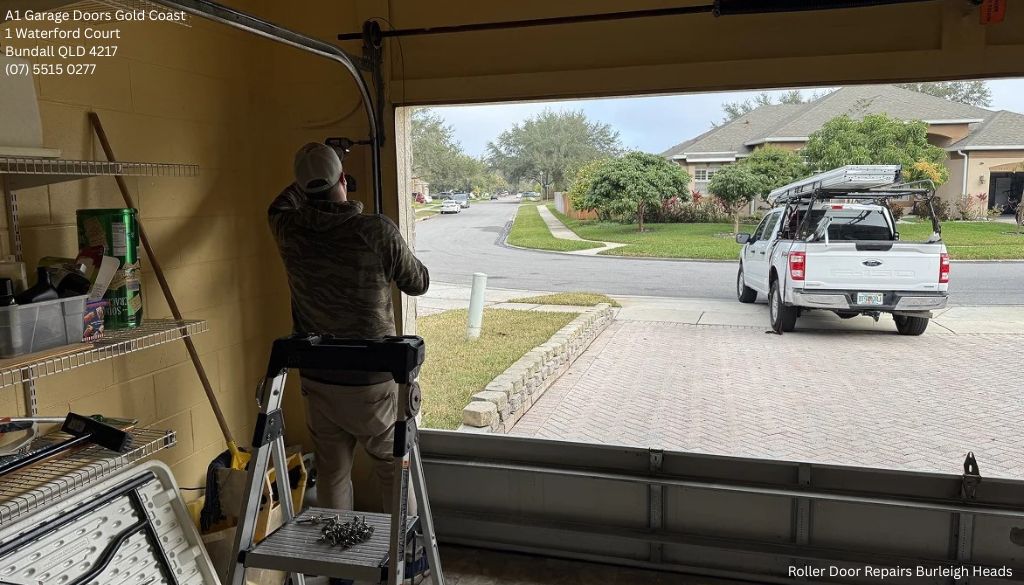
That distinction impacts diagnosis. A springtime configuration suitable for a home affixed garage might be totally improper for a loading area that cycles all the time. Service priorities also change. In a home, a door can be bothersome. In a business, a nonworking door can interrupt shipments, worker accessibility, safety, and revenue.
The myth issues because some owners delay business repair services after listening to property advice that seems acquainted. A little rubbing, a mild inequality, or a falling short base seal may not remain little for long in a high-cycle setting.
Weather is not a genuine aspect if the door is mounted correctly
Even a right garage door installation need to deal with environment. Temperature level swings influence steel, lubrication, weather condition seals, and opener efficiency. Wetness contributes to corrosion. Wind can reveal balance concerns or track weaknesses that stayed hidden in calm conditions. Cold can make brittle elements fail quicker, particularly older plastic rollers or fractured seals.
Winter typically subjects minimal spring performance. A springtime that was currently near the end of its life can have a hard time extra in winter, making the door really feel much heavier. Summertime heat can warp plastic trim and harden reduced seals. Coastal areas include salt exposure, which is rough on hardware and fasteners.
A properly mounted door needs to handle the neighborhood environment, yet no door is unsusceptible to it. Weather does not excuse inadequate procedure, yet it absolutely influences maintenance periods and part longevity.
Price alone informs you that is providing the best repair
This may be the most expensive misconception camouflaged as a deal. An extremely low quote can imply corners are being cut someplace, in part top quality, springtime cycle score, labor time, service warranty assistance, or medical diagnosis. Not every greater quote is justified either. The point is that garage door repair ought to be evaluated on extent, materials, and competence, not simply the final number.
Ask what parts are being mounted. Ask whether springtimes are being sized specifically for the door. Ask whether both springs are included when suitable. Ask what warranty puts on labor versus parts. A correct domestic garage door repair telephone call must discuss the failing plainly, not hide it in unclear language.
The very same applies to garage door setup. A low bid might leave out disposal, upgraded equipment, track reinforcement, opener assimilation, or climate securing information that matter later on. 2 quotes can seem similar while providing extremely various outcomes over the next five years.
What home owners need to believe instead
The most valuable mindset is not fear, and it is not blind self-confidence. It is respect for just how the system works.
A garage door is one of the largest relocating components in a home. It combines weight, stress, electronic devices, and everyday repetition. Excellent upkeep is not complicated, however precise medical diagnosis issues. Little symptoms deserve attention because they often indicate foreseeable wear. A high quality repair work typically solutions the reason, not simply the visible effect.
It also helps to believe in regards to system health and wellness instead of solitary components. A brand-new garage door opener will not treat bad springs. Fresh springtimes will certainly not fix a bent track. Lube will certainly not deal with bad equilibrium. And a beautiful new door from a current garage door installment still needs occasional assessment if you want it to stay silent, safe, and reliable.
When homeowners stop believing the usual myths, repair service decisions get much easier. They invest much less on repeat fixes. They capture troubles previously. They avoid high-risk diy blunders on high-tension elements. Most notably, they obtain a door that works the way it should, smoothly, securely, and without becoming the loudest point in your home every morning.
If your door has actually begun seeming different, moving erratically, or asking even more initiative from the opener than it used to, trust the signs and symptom. Garage doors hardly ever improve by being ignored. A prompt solution see for garage door repair is commonly the distinction between an uncomplicated adjustment and a much larger work later.