A garage door opener rarely obtains interest till it starts sounding incorrect. A healthy system has an acquainted rhythm, a steady hum, a quick mechanical clatter as the door starts to move, after that peaceful once more. When that sound changes to grinding, squealing, rattling, or a sharp knocking sound, something in the system has wandered out of placement or begun to use. In some cases the problem is minor and easy to remedy. Other times the sound is the initial sign that the opener, the garage door motor, or the relocating hardware is under strain and needs punctual attention.
Noise matters since it often turns up before a complete failing. That is especially real in places where doors have to do more than open and close on need. In cyclone-prone components of Queensland, garage doors are not just a benefit, they are part of the building envelope. A loud opener might not seem immediate on a calm day, yet if the door battles, shakes, or binds, it can point to a weakness that ends up being much more significant during severe weather condition. A garage door that does not run efficiently is more difficult to safeguard, harder to trust, and more likely to suffer damage when the weather condition transforms rough.
Start with the noise, not the guess
Different sounds usually point to various issues. A grinding sound usually recommends worn gears, a dry drive system, or a harmed part inside the opener. A screech may come from rollers, hinges, or a belt or chain that requires attention. A loud bang or bang-then-stop pattern can indicate a door that has actually lost balance, a spring problem, or a drive system that is dealing with resistance it must not be fighting. A rattling opener might hang on its mounting, particularly if the sound is greatest at start-up or shutdown.
The key is not to think the opener is the only wrongdoer. In many cases, the garage door itself creates the pressure. A bent track, worn rollers, hard seals, or a tight hinge can make the opener work more difficult than it should. That extra lots takes a trip right right into the motor and gearbox. If the opener is loud, the door system needs to be examined all at once, not as separated parts.
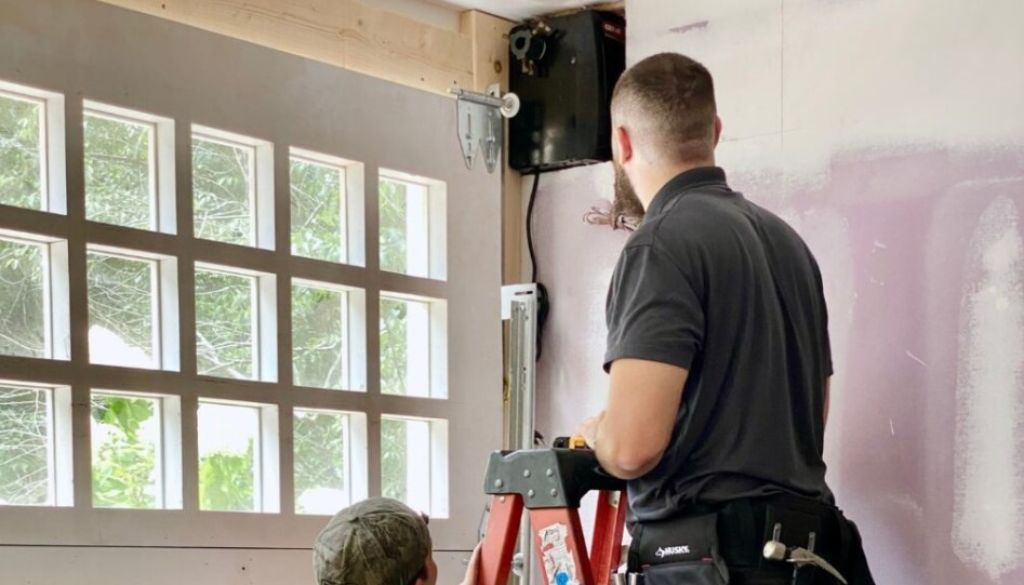
A quick method to narrow the issue is to listen meticulously when the door moves by hand and when the motor runs. If the door is noisy even without the opener engaged, the mistake is probably in the door equipment. If the door moves efficiently by hand yet the opener is loud, the problem might be in the drive system, the motor, or the placing. That difference conserves time and aids stay clear of changing the wrong part.
What to examine prior to you grab tools
Before opening up the real estate or loosening up anything, disconnect the device and examine the visible elements. This is the component most property owners miss, even though it usually exposes the problem within mins. Dust, loosened bolts, maturing rubber, and small misalignment all make themselves recognized if you take a slow look along the door course and the opener assembly.
A practical inspection typically includes these checks:
- Confirm the door can move openly by hand and does not bind midway. Look for loosened bolts, brackets, or opener mounts. Check the rails or tracks for damages, twists, or debris. Examine rollers, hinges, and the drive chain or belt for wear. Listen for indications of pressure from the electric motor casing or transmission area.
If the garage door is hefty to raise manually, that is a warning sign. An opener is created to assist a balanced door, not compensate for one that is out of balance. Requiring the electric motor to do that task is an usual reason for early wear and unusual noise.
It is also worth inspecting the condition of the seals and the door framework. In coastal and storm-exposed areas, spaces around the door can allow wind-driven particles and wetness, which in turn speeds up wear on relocating parts. Preventive upkeep for garage doors is not only regarding silent operation, it is also about keeping the whole opening sealed and stable.
The opener itself may require attention
Once you have eliminated noticeable door equipment issues, concentrate on the opener. Many contemporary devices rely on a chain, belt, screw drive, or similar device to move the door. Each kind has its own noise account, but every one of them can end up being louder when stress adjustments, bolts loosen up, or internal components put on down.
A chain drive typically creates clatter if the chain sags or the placing loosens. A belt drive can squeak or chirp if the belt is used or the pulley system is not running evenly. A screw drive can produce a severe mechanical audio if the screw or carriage is dry or the device has actually accumulated gunk. Inside the electric motor housing, worn gears can make a crunching or grinding noise, particularly under load.
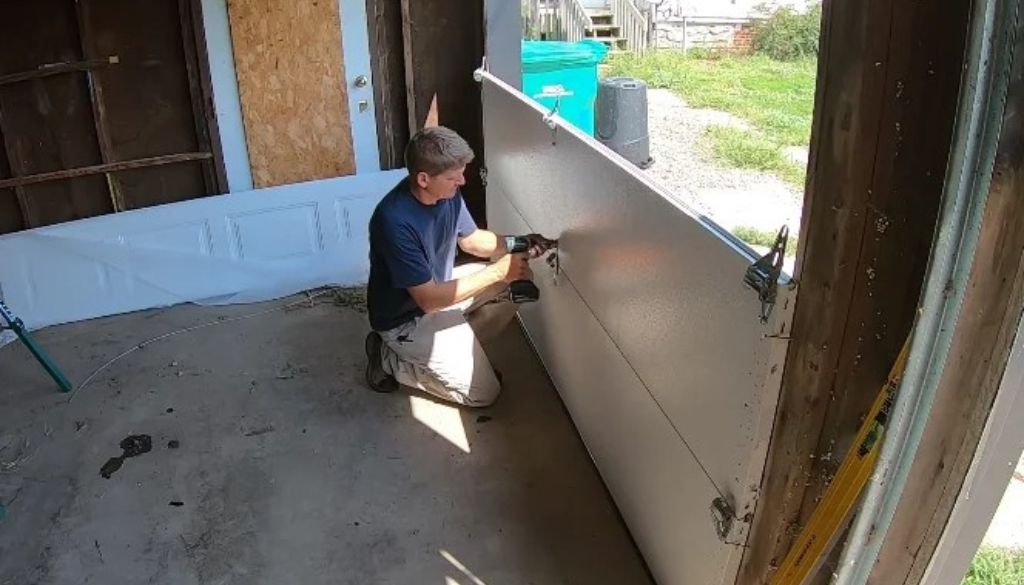
This is where judgment issues. A little operational chain-drive opener sound is normal. An abrupt change is not. If the opener has actually come to be noticeably louder over a short time, or if the audio is paired with reluctance, trembling, or repeated stopping, the problem might be greater than a straightforward lubrication concern. That is the factor where lots of house owners make a decision to quit playing and prepare professional help, specifically if the door is needed daily or the weather is transforming unstable.
When the sound is not just noise
Some appears should be treated as warning signs instead of inconveniences. If the opener hums yet the door hardly moves, the electric motor may be stressing against a binding door or stopping working inside. If the door jerks, shakes, or turns around all of a sudden, the system may be misaligned or the force setups may not be suitable. If a sharp snap accompanies the sound, a springtime or cord issue is possible, which is not something to treat casually.
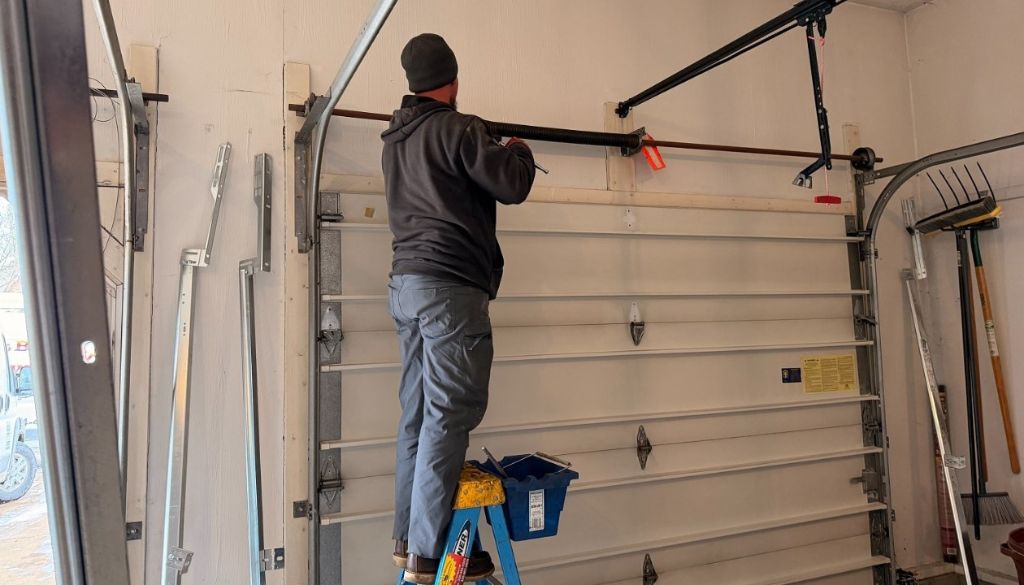
Garage door springtimes and cable televisions are under significant tension. They are not the location for guesswork. If the sound seems to come from those components, or if the door has actually become lopsided, abnormally hefty, or tough to raise, the more secure action is to stop using it and call for emergency situation repair services. A stuck or falling short door can produce a protection problem along with a mechanical one, specifically if the garage is a main gain access to indicate the home.
For house owners in cyclone-prone areas, that care becomes much more important. Queensland assistance deals with garage doors as a recognized powerlessness in severe storms, and that makes a noisy, compromised system more than a convenience problem. If the opener is currently struggling, it may not give the trusted closure required when severe weather is coming close to. A door that will certainly not shut properly, or one that has visible damage, should have immediate attention.
Repairing the usual root causes of unusual noise
The right repair depends on the source of the audio. If the problem hangs installing equipment, retightening the opener's braces can recover a steadier run. If the chain is as well loosened or also tight, the drive system might need change. If rollers or joints are completely dry or worn, they might require cleansing, lubrication, or substitute. If the rail is unclean or blocked, getting rid of the path can make a shocking difference.
For lots of households, the easiest repair services are additionally one of the most beneficial. Removing particles from the track, tightening up a few fasteners, and bring back standard lubrication can minimize noise right away. That kind of upkeep might appear small, however it stops the little problems that bring about bigger stress. It likewise helps the opener relocate the door with less resistance, which prolongs the life of the motor and drive components.
Still, there is a line between garage door repair services helpful maintenance and dangerous treatment. If you open the electric motor housing and find stripped gears, damaged circuitry, or indications of burning, that is a various category of repair service. Then, the sound is no longer a regular maintenance issue, it is an indicator that the opener may need component substitute or full unit replacement. A worn-out motor can maintain making noise for some time, yet it typically does so by getting less reliable, not more.
A functional order of operations
A great fixing procedure starts with the outside and works internal. That keeps the task grounded and prevents unneeded disassembly. It additionally assists you compare a door issue and an opener issue, which is one of the most useful pieces of judgment in garage door work.
Disconnect power and inspect the door by hand for smooth movement. Check tracks, rollers, hinges, and noticeable bolts for looseness or wear. Examine the opener's mounting, drive system, and any type of indications of vibration. Address simple maintenance problems initially, such as debris, loose hardware, or lack of lubrication. If noise continues, or if the motor seems stretched, set up expert assessment before the system fails.That series is not regarding bewaring for its own benefit. It mirrors exactly how these systems generally stop working. Most noisy openers are not unexpectedly damaged. They are informing you the door is no more relocating with the simplicity it when had.
Why tornado readiness alters the method you must consider repairs
On the Gold Coast and throughout Queensland, garage door solution is not just about comfort or sound reduction. It is connected to storm prep work and strength. Authorities readiness assistance repetitively highlights securing homes before serious weather condition, and garage doors are part of that picture. A door that rattles, flexes, or has a hard time under regular usage should have attention long before a cyclone caution is issued.
Queensland products likewise keep in mind that garage doors need to abide by the appropriate wind-pressure rating or be sustained by an appropriate bracing system when a cyclone is coming close to. That detail issues because a garage door failure can influence more than the opening itself. It can harm surrounding wall surfaces, ceilings, and roof cladding, transforming a solitary failing right into a much more pricey repair work. A noisy opener can be an early clue that the door system is not in the most effective problem to do its task under stress.
That is why preventative upkeep for garage doors has a various tone in storm-prone areas. You are not just attempting to silence a machine. You are inspecting that the closure is stable, properly sealed, and ready for serious weather condition. Replacing a non-compliant or worn-out door can boost durability, and also when replacement is not needed, regular examination of gaps, seals, and door framing stays worthwhile.
Security, accessibility, and the price of delay
A garage door that makes uncommon noise usually obtains tolerated longer than it must because it still works most of the moment. That is a harmful practice. An opener that seems harmful may fall short at the most awful feasible moment, when you need the garage safe and secure, the climate is transforming, or your home is vacant. Security-related style advice in Queensland has actually long acknowledged the value of solid, tamper-resistant door systems in protected applications. While a domestic garage is not a high-security center, the concept is the same: a durable door and opener are harder to defeat and less likely to leave you exposed.
The cost of waiting can be small at first and much bigger later. A bracket that just needs tightening up today can develop into a distorted track tomorrow. A noisy gear can end up being a confiscated electric motor. A door that is a little out of balance can overstress the opener until the entire system needs changing. Repairing a garage door opener that makes unusual sound is normally less costly prior to the symptoms spread into the rest of the system.
When substitute makes more sense than repair
Not every noisy opener is worthy of a repair service effort. If the device is old, the drive parts are used, and the motor is louder on a monthly basis, a substitute might be the functional choice. The same is true when the door itself is part of the issue, especially if it no longer meets current storm-resilience expectations or has visible indicators of structural weakness. In those situations, changing simply one part might only acquire a brief reprieve.
The choice typically comes down to the balance in between cost, integrity, and danger. If the opener is making sounds due to a loose bracket or completely dry equipment, repair work makes sense. If the noise comes from interior wear in the electric motor or transmission, or if the door has repeated placement troubles, the economics change. A substitute can bring back quieter procedure, better reliability, and in some circumstances, improved preparedness for severe weather.
That trade-off is particularly essential for home owners that rely on the garage as a main access point. A system that functions just when dealt with gently is not an excellent system. It needs to open up, close, and seal without drama.
Keeping it quieter after the repair
Once the loud part has actually been remedied, the work is not fairly finished. The very best means to keep a garage door opener quiet is to reduce stress prior to it builds. That implies regular monitoring, timely lubrication where suitable, and taking notice of adjustments in the sound of the system. If the opener obtains louder over a couple of weeks, do not wait on a failure to validate your suspicion.
A sensible maintenance practice is to check the door seasonally, especially before the tornado period begins. Look at the seals, track condition, mounting points, and the means the door acts at start-up and shutdown. If anything looks misaligned or feels larger than typical, fix it early. This is the practical side of how to fix a garage door, because the very best repair service is typically the one that protects against a break down instead of reacts to it.
Quiet operation is not just pleasant. It is evidence that the door, the opener, and the garage motor are sharing the tons appropriately. When the system runs smoothly, the motor does much less job, the equipment lasts much longer, and the whole entry factor is a lot more dependable.
A garage door opener that has actually begun to seem unusual is asking for interest. In some cases the solution is a small modification or a bit of upkeep. In some cases it indicates much deeper wear, or to a door that no more is worthy of to be trusted with one more tornado period without testimonial. In any case, the noise is useful details. The method is paying attention early sufficient to act upon it.