A garage door opener generally obtains interest just when it stops working. Eventually you tap the wall button or the remote, hear a click, and absolutely nothing moves. Or the electric motor hums, the lights flash, and the door declines to move. Sometimes the trouble is minor, like a dead battery in the remote. Other times it points to a worn spring, a misaligned safety sensing unit, or a door that has ended up being as well hefty for the opener to raise safely.
After years of seeing the exact same calls can be found in, both for property garage door repair and industrial garage door repair, one pattern stands apart. The majority of opener failings are not actually opener failings. The electric motor device gets blamed due to the fact that it is the noticeable piece with the light and the switch, however the origin commonly rests somewhere else in the system. Tracks, rollers, springs, cable televisions, traveling setups, circuitry, and even seasonal temperature level swings all play a part. If one part wanders out of specification, the opener responds by quiting, reversing, or straining.
That matters since guessing can make the trouble even worse. A property owner changes a remote when the problem is in fact a locked wall surface console. A property supervisor assumes the electric motor is worn out when a damaged torsion spring has actually made the door as well hefty. Someone forces the door shut, flexes a section, and transforms a tiny solution call into a bigger garage door repair.
The excellent information is that garage door openers are relatively predictable once you recognize just how they fall short. A sensible troubleshooting procedure can separate risk-free diy checks from repair services that require an experienced technician.
Start with what the opener is informing you
Modern openers do not fall short calmly. They usually offer ideas. The system might hum but stagnate. The door might drop six inches and reverse. The overhanging light might blink a code. The wall button might function while the remote does not. The opener may run, yet the door stays due to the fact that the cart has been disengaged.
Those symptoms point in different instructions. When the electric motor runs and the door does stagnate, the opener may be detached from the door by the emergency situation release. When the door begins to shut and after that turns around, the safety sensing units or take a trip setups are frequently included. If nothing happens in any way, power supply, electrical wiring, a locked console, or stopped working logic board end up being extra likely.
One of one of the most typical errors is changing components before checking out the symptom accurately. If you push the remote and listen to the opener click, the receiver has possibly gotten the signal. That means the remote battery might not be the problem. If the wall surface switch does nothing either, the trouble is most likely not the remote at all. Tiny monitorings save time and money.
The simplest reasons are still worth checking
It seems evident, yet several solution calls beginning with power. An opener plugged into a ceiling electrical outlet can lose power if the plug loosens over time, if a GFCI electrical outlet upstream journeys, or if a breaker partly journeys. I have actually likewise seen electrical outlets managed by an unintended wall surface button, especially in older garages where circuitry was customized during a remodel.
Remotes create one more layer of easy-to-miss failure. Batteries damage gradually. Buttons wear out. An automobile visor remote can lose shows after a battery adjustment in the car. If the keypad functions however the handheld remote does not, you likely have a transmitter problem. If the wall button works but neither the remote neither keypad reacts, the receiver or logic board might be at mistake, though it is smart to dismiss lock mode initially. Several wall consoles have a holiday or lock function that disables radio signals while leaving the wired switch active.
Then there is the emergency launch cord. If someone drew it throughout a power interruption and never re-engaged it, the opener will run but the trolley will certainly not draw the door. From the floor, it looks like a dead opener. Actually, the machine is doing its task and the drive system is merely disconnected.
Safety sensing units trigger even more trouble than most people expect
If your garage door opens usually Check out this site but will not shut, or shuts partway and reverses, consider the photo-eye sensing units near the bottom of the tracks. These little gadgets have actually protected against many injuries and harmed bumpers, yet they are also sensitive to imbalance, dust, vibration, and circuitry faults.
On several systems, one sensing unit reveals a stable light and the other adjustments standing when the beam of light is aligned. A strong sign generally indicates the sensor sees what it should. A flickering or dark light commonly suggests trouble. The cause may be a bumped bracket, webs on the lens, a loosened low-voltage cable staple, or direct sunshine rinsing the light beam at a particular hour of the day.
I remember a service telephone call where the customer urged the opener just fell short in late afternoon. That sounded odd up until we enjoyed the sun struck the obtaining sensing unit via a narrow side window. The beam of light was practically lined up, however the receiver lost it in the glare. A tiny shield and small bracket adjustment addressed what had actually been dealt with as an intermittent opener failing for weeks.
When sensing units are the problem, the opener is normally safeguarding you, not malfunctioning. That difference matters.
When the door itself is the genuine problem
An opener is not indicated to muscle mass through a negative door. It is designed to direct an effectively balanced door. If the springtimes are doing their work, a typical residential door should feel convenient by hand when detached from the opener. It ought to not fly up or pound down. It ought to hug mid-travel with only small drift. When it does not, the opener stress, overheats, or quits as a safety response.
This is where many people misdiagnose the system. They listen to the electric motor groan and presume the garage door opener has actually ended up being weak. As a matter of fact, openers do not slowly lose horsepower the means people envision. What normally changes is the resistance of the door. Rollers wear, joints bind, tracks change, and springtime tension modifications with time. The motor is now drawing a lots it was never ever meant to carry.
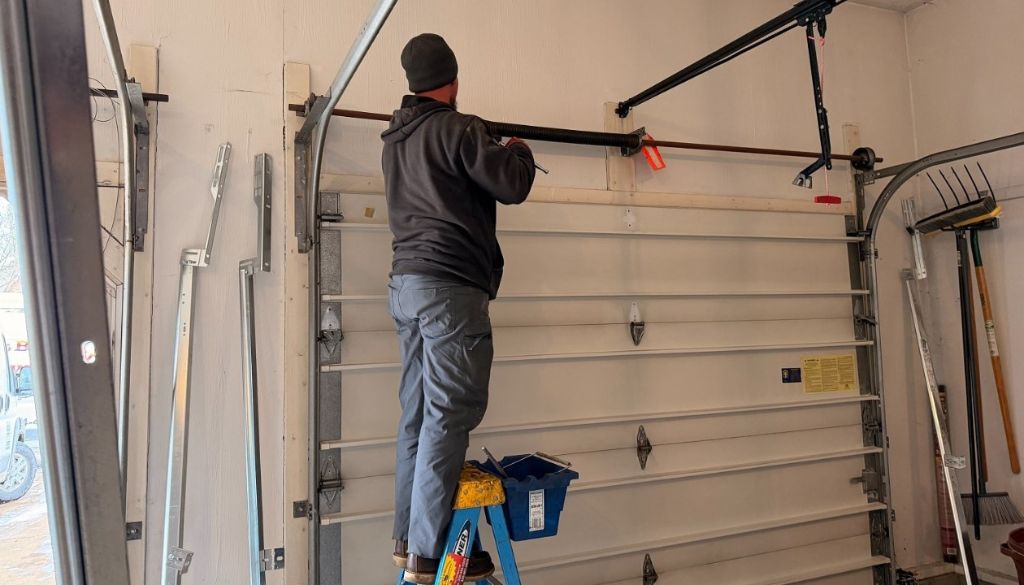
A busted torsion spring is the clearest example. If one springtime breaks, the door can instantly come to be exceptionally hefty, often adding more than a hundred extra pounds of reliable lifting load relying on the door dimension. The opener may move the door a couple of inches and surrender, or it may stagnate it whatsoever. This is not an instance for more powerful force settings. It is a situation for Garage door spring substitute, done with proper devices and training. Springs are under extreme tension, and this is one fixing where experience matters more than confidence.
Commercial doors elevate the stakes further. In business garage door repair, the curtain weight, cycle count, and springtime assembly can make opener signs look electric when the actual problem is mechanical tiredness. A warehouse driver might report that the opener waits or delays. A closer assessment exposes a binding track, frayed cables, or a door out of equilibrium after high-cycle usage. On much heavier systems, requiring procedure can cause costly civilian casualties quickly.
A useful troubleshooting sequence
Before assuming the opener needs replacement, overcome the basics in a calm order:
Confirm power to the opener, then test the wall surface switch, remote, and keypad separately. Check whether the wall console is in lock setting and whether the trolley is still engaged. Inspect the safety and security sensors for positioning, tidy lenses, and safe and secure wiring. Disconnect the opener and examination the door by hand for equilibrium, binding, or unusual weight. Listen for grinding, humming, or repeated turning around that suggests gear wear or travel setup issues.This sequence is simple, yet it catches an unusual variety of instances. It additionally aids you clarify the trouble clearly if you wind up asking for solution. A professional can do far more with, "The wall surface button works, the remote does not, and the sensor light flickers when the door is midway down," than with, "It simply stopped."
Travel limitations and pressure setups are frequently misunderstood
Most openers utilize traveling limitations to figure out just how far the door must open and shut, and force setups to discover resistance. If the close restriction is set as well much, the door may hit the floor and reverse since the opener detects excess resistance. If the open limit is off, the door might not totally clear the opening or may crash the stop screws. If force is established too reduced, the opener might stop during typical activity. If set too high, the opener can become harmful and mask a genuine mechanical problem.
Homeowners in some cases turn force changes strongly after seeing a video, particularly when the door has started embeding winter. That can develop a hazardous setup. If the rollers are tight or the lower seal is adhered the slab, enhancing force might obtain the door proposing a day or 2. It does not address the underlying concern. It simply instructs the opener to push harder versus resistance it must be respecting.
Travel and force changes do have their area. After garage door setup, after replacing weather condition seal, after track modifications, or after opener substitute, great adjusting may be needed. The factor is judgment. Adjust settings just when the door itself remains in good condition and relocates properly by hand.
Worn equipments, removed drives, and aging logic boards
Sometimes the opener really is the offender. Older chain drive and belt drive systems can endure equipment wear, specifically if they have invested years lifting an unbalanced door. A traditional symptom is an electric motor that runs while the chain or belt hesitates, jerks, or falls short to relocate the trolley appropriately. Inside some devices, a plastic drive gear puts on down and drops shavings. When service technicians open up the real estate and find great white particles, that is usually the story.
Logic boards fail too, though less considerably. A rise, wetness invasion, age, or repeated resonance can damage the board. Signs and symptoms differ. Remotes stop configuring. The light flashes unpredictably. The wall surface button functions inconsistently. The opener acts usually for a week and afterwards goes dead for no apparent factor. Since these symptoms overlap with electrical wiring mistakes and accessory failures, diagnosis should be methodical.
There is also the issue old. If an opener is fifteen to twenty years of ages and substitute parts are limited, fixing might not be the very best investment. A brand-new system can bring quieter operation, battery backup, more powerful LED lighting, smart device control, and enhanced safety features. That is particularly appropriate after a new garage door installation, where pairing an old undersized opener with a smooth new door typically makes little sense.
Cold weather, humidity, and seasonal movement
Garage systems are a lot more seasonal than many people realize. In winter season, oil enlarges, metal agreements, and rubber seals can stick to the flooring. Wooden doors take in dampness and swell. In summertime, growth can tighten clearances, specifically on older framework that has shifted over time. These adjustments can be refined sufficient that the door functions most days and stops working only under specific conditions.
A frequent wintertime problem goes like this: the opener starts, the door rises 2 inches, and after that quits. If the bottom seal has adhered the slab, the opener is appropriately reviewing an unexpected resistance spike. Drawing harder on the pressure setup is the incorrect reaction. Cleaning ice, cleaning up the threshold, and making use of an ideal silicone-based lube on hinges and rollers is the much better move. Hefty grease in the wrong places frequently draws in grit and develops its very own drag, so item selection matters.
Humidity brings an additional pattern. Steel doors are secure, yet track hangers, framing, and bolts can change sufficient to influence placement in older garages. On timber doors, panel activity can enhance rubbing at the quits. The opener becomes the carrier for an architectural issue that developed slowly over seasons.
When a remote issue is actually a signal problem
Not every remote failure has to do with the remote itself. Interference can minimize array or block communication entirely. LED bulbs in or near the opener have created more headaches than individuals expect. Some low-grade LEDs create radio frequency sound that interferes with the opener receiver. The client reports that the remote only works from a couple of feet away, or works when the opener light is off. Switch the light bulbs, and range returns.
Nearby electronics, brand-new security systems, and even a next-door neighbor's tools can create signal issues, though these are less typical. In business setups, steel buildings and huge equipment add intricacy. A receiver antenna put up into the real estate as opposed to hanging down correctly can also cut array considerably. That is a straightforward solution that gets missed often.
If your wall button functions reliably and the sensing units are great, however your remote array has actually dropped sharply, think of disturbance prior to replacing the entire opener.
What you can safely do on your own, and what you need to leave alone
Some garage door issues are completely sensible for a cautious homeowner to address. Others lug adequate danger that an expert ought to manage them, especially where springtime tension, cord transmitting, or architectural alignment are involved.
Here is a functional dividing line:
Safe homeowner checks include changing remote batteries, cleansing sensor lenses, checking for lock mode, and confirming the opener has power. Moderate DIY tasks might include reprogramming a remote, changing a light bulb that is opener-compatible, or lubricating joints and rollers with the proper product. Technician territory starts with spring job, cable repair work, bent track improvement, opener equipment substitute, and any diagnosis involving subjected internal electrical components. Emergency solution is wise when the door is stuck open, hangs uneven, drops heavily, or makes sharp snapping noises. Immediate stop conditions include noticeable broken springs, frayed cords, and a door that will certainly not stay in place when disconnected.That line exists for a factor. I have seen people save fifty bucks on a service phone call and create a five-hundred-dollar repair forcibly the door, securing the incorrect component, or readjusting springtime hardware without comprehending the tons involved.
Signs that replacement makes even more feeling than repair
There is no universal age at which every opener need to be changed, yet there are clear scenarios where repair declines. Repeated logic board issues, outdated security parts, persistent drive wear, and bad parts schedule are all red flags. Another sign is inequality. A modern-day shielded double door paired with an aging light-duty opener commonly works, however not well. The system may be loud, slow, and vulnerable to annoyance reversals.
Cost issues as well. If a major repair approaches half the expense of a high quality replacement, numerous owners choose the brand-new device, particularly if they intend to stay in the building. For property managers and center supervisors, downtime matters as high as straight expense. In a hectic commercial setting, one undependable opener can interrupt distributions, reveal inventory, or produce protection problems. In those situations, replacement is commonly the useful option, not the glamorous one.
On the domestic side, substitute likewise comes to be appealing after a major door upgrade. If you purchase garage door installment for aesthetic appeal, insulation, or tornado resistance, the opener needs to match the performance of the new system. Peaceful belt drives, DC electric motors, soft begin, and battery back-up are not just great bonus. They alter exactly how the system really feels every day.
How professionals identify the trouble faster
A skilled garage door technician normally starts with the very same wide inquiries a homeowner need to ask, but moves quickly into load, balance, travel, and wear pattern evaluation. The opener is tested under controlled conditions. The door is separated and weighed by feel. Spring problem is checked aesthetically and mechanically. Track geometry, hinge play, roller wear, and wire problem obtain examined as a system.
That system view is what separates solid garage door repair from uncertainty. If the opener has actually failed since the door was out of equilibrium for a year, mounting a brand-new motor alone may give you a temporary solution. If the genuine problem is sensor electrical wiring nicked by vibration near the rail, changing the reasoning board will squander cash. Excellent specialists try to find reason, not simply symptom.
For business garage door repair, that system technique is even more vital. Cycle matters, responsibility score, driver type, and door size all influence what counts as normal wear. A rolling steel door at a packing bay might require a totally various medical diagnosis path than a sectional door in a rural home, also if both "won't shut."
Preventing the following failure
Most opener malfunctions do not appear of nowhere. They build gradually. The door gets a little louder. The remote variety shortens. The opener begins hesitating on chilly mornings. The close cycle turns around every so often. Those are chances to step in early.
An easy annual evaluation goes a lengthy way. Watch the door action. Pay attention for modifications. Examine that bolts are snug, sensors are lined up, and rollers relocate easily. Examination door equilibrium with the opener separated, yet just if there is no sign of spring or cable damages. Lubricate relocating steel components suitably. Maintain the tracks clear, though not greasy. If anything looks curved, split, torn, or unusually stressful, quit there and require service.
The opener's work is straightforward. It ought to lift a balanced door efficiently, react continually to its controls, and turn around when safety devices inform it to. When it stops doing that, the failure is usually traceable, and typically reparable, when you consider the whole system instead of the motor alone.
A garage door opener that retires is aggravating, however it is seldom mysterious. Begin with the evident. Review the signs meticulously. Regard the parts under stress. And if the trouble factors past batteries, sensors, or setups, generate a technician who understands both the opener and the door it offers. That is how you obtain a repair work that lasts, whether you need a tiny residential garage door repair, a full garage door setup, or an extra requiring commercial garage door repair on a high-use system.